
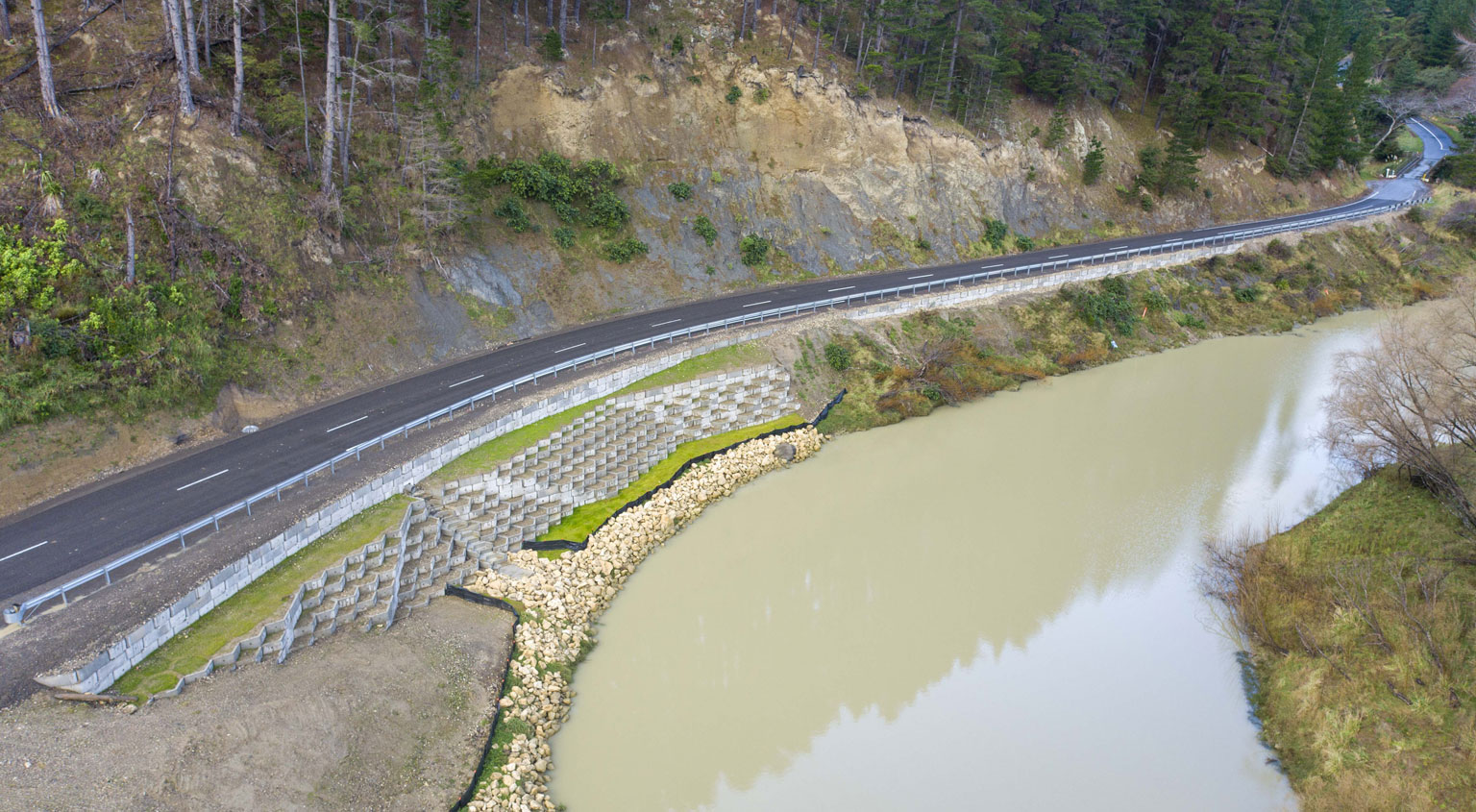
Figure 1: HEX-LOC® structure after construction – May 2025
Case study
Ākitio Erosion Protection Project:
Proven performance during the April 2026 flood event
Overview
Following a major slip in 2021 and further degradation during Cyclone Gabrielle in 2023, Tararua District Council faced escalating erosion and infrastructure damage along the Ākitio River, a problem that had persisted for years without a lasting solution. This section of river sits on a 90-degree bend that intensifies the force of the flow, making it a demanding site requiring a reliable, resilient, and high-performance retaining solution.
HEX-LOC®’s hybrid construction was selected as the long-term fix. Delivered through a collaborative effort between HEX-LOC®, Lattey Group, and the Tararua Alliance, the project resulted in a retaining wall built from 1,100 interlocked HEX-LOC® units, completed in May 2025.
On 21 April 2026, a major storm system brought sustained heavy rain across the wider Tararua region, following an extended heavy rain warning that MetService had widened to cover the entire district over a 39-hour period. The resulting rainfall triggered widespread slips and tree fall throughout the Tararua region, and already-saturated ground conditions raising the risk of further slips through the district. This was the first time the HEX-LOC® structure had been exposed to a rainfall and storm event of this scale since its construction, making it a genuine real-world test of the design.
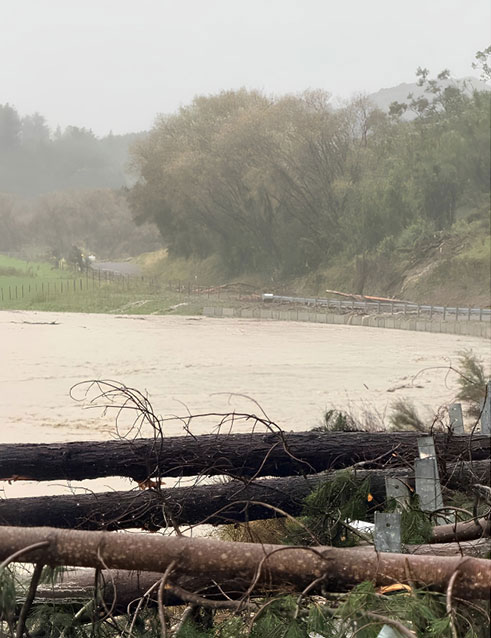
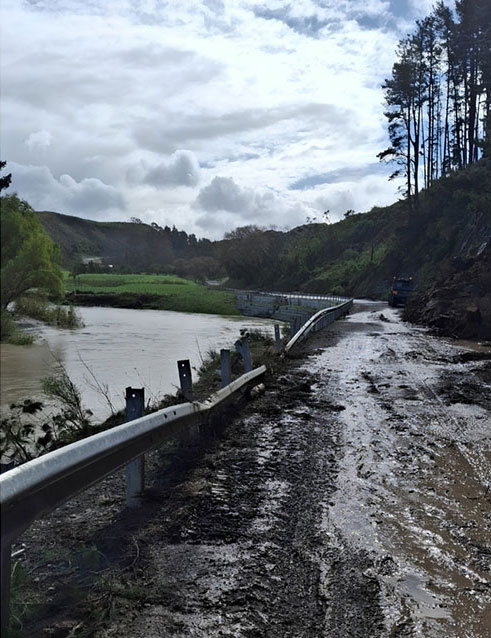
Figure 2: Matched before/after perspective of the structure, event day vs. post-event
Site and rainfall event information
Site location:
River Rd, Ākitio
Date of the event:
21st April 2026
Rainfall event information at peak:
Rainfall: 255.6mm
Peak River Flow: 455,314.48L/S
Peak River Level: 9,920mm
HEX-LOC® performance during the event
Site inspections were carried out both during and after the rainfall event, during which the river rose to the top of the structure before receding to normal levels. Beyond the force of the river itself, the wall was also tested by debris carried down from slips upstream, including large trees that broke the roadside guardrails and struck the top layer of HEX-LOC® modules.
- Structural integrity maintained. Despite the elevated river level and the impact of debris, (including large trees carried by the river bend at high volume), the HEX-LOC® structure remained fully intact, with every block in place. No movement or damage was observed. The HEX-LOC® integrated step modules, forming the spill way designed to reduce high velocity water flow from the culvert down the structure performed as designed. This removed water from the high bank on the other side of the road stopping water collecting on the road and additional erosion, as would have previously been seen prior to the structure being installed.
- Minimal infill material loss. Most of the structure retained its fill with only minor loss. The area most affected was the downstream end of the wall, where the bottom three layers, and the ground just beyond the end of the structure showed greater material loss. This was localised and did not compromise the integrity of that section or the wall as a whole, with the interlocking structure remaining intact.
- Environmental performance maintained. Despite being submerged during the event, the grass and plants established within the blocks proved resilient, with over 90% of vegetation remaining in place across the structure, demonstrating HEX-LOC®’s strong environmental integration.
- Road protection. The HEX-LOC® structure effectively shielded the road above it. No road rebuilding was required; work was limited to clearing fallen trees and debris, and cleaning rocks and mud from the road surface. While large trees broke the guardrail in places, the HEX-LOC® blocks beneath remained fully intact.
- Validation of the solution. This was the first major event to test the structure since its installation in May 2025. It confirmed not only the wall’s resilience but its core purpose: the road was reopened within a few hours of the event’s peak, without the need for major repairs.
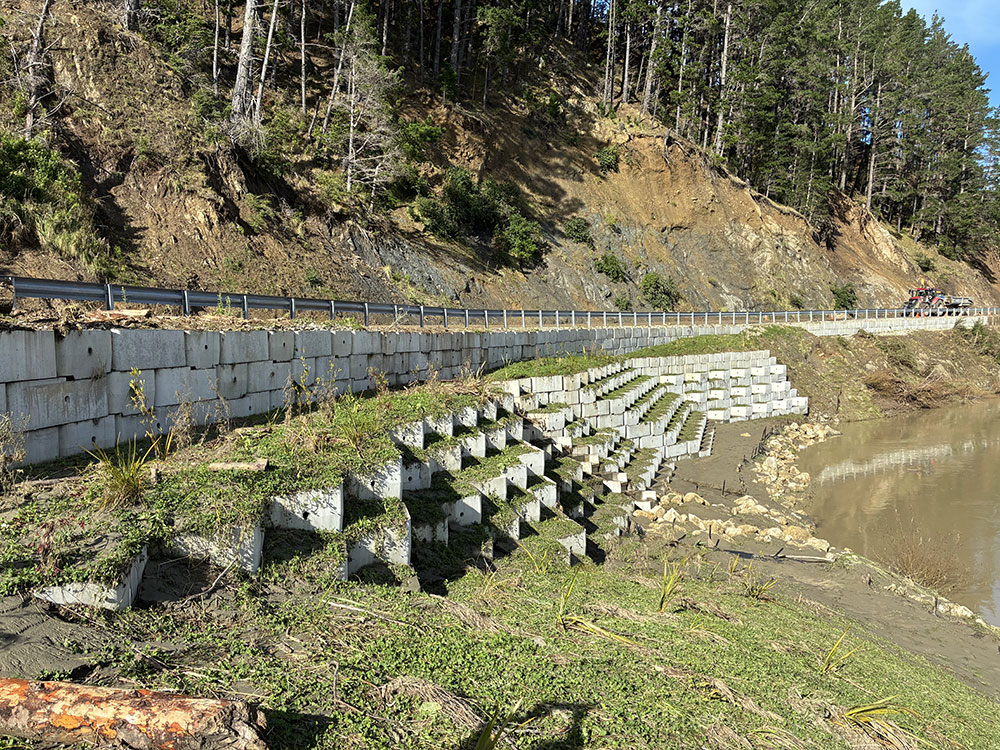
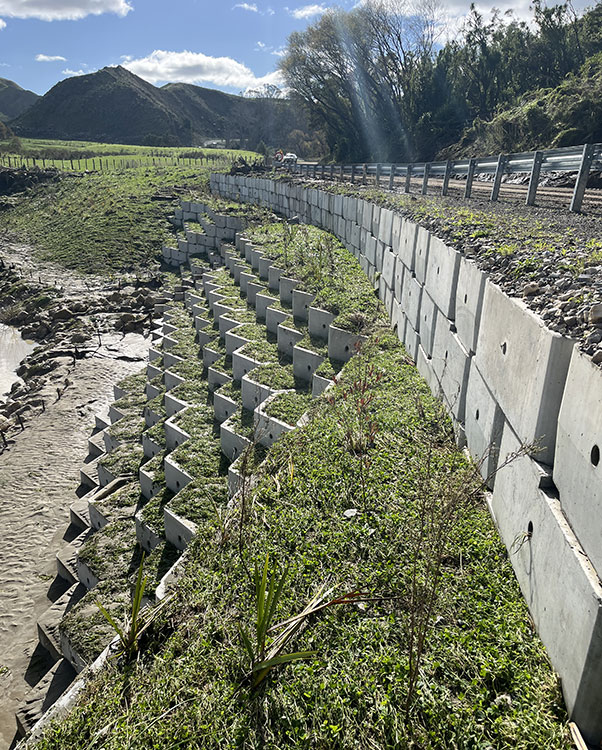
Figure 3: HEX-LOC® structure fully intact, with grass and plants still established
Conclusion
The HEX-LOC® structure has proven to be a strong, resilient, and viable solution to the erosion and slope instability issues along the Ākitio River. The significant April 2026 rainfall event served as a major real-world test and has given the Tararua Alliance greater confidence in the HEX-LOC® solution, reinforcing it as a long-lasting, low-maintenance answer to a problem the region has struggled with for years.
Given the nature of this stretch of road and the 90-degree bend that concentrates the river’s force at this point, a weather event of this scale would normally have been expected to cut the community off. Records of previous events on this stretch of road, from before the wall’s installation, show just how powerful the river’s flow can be during heavy rainfall. Against that backdrop, HEX-LOC®’s performance stands out: no damage, no movement, and most importantly, a road reopened within hours of the peak event, preventing the community from being cut off as would have occurred previously.
This site confirms HEX-LOC® as a robust, long-lasting, easily constructed, and environmentally integrated option for protecting New Zealand infrastructure and communities against extreme weather, river flow forces, and terrain instability. The insights gained from this event will continue to inform HEX-LOC®’s ongoing product development, design refinement, and installation practices.
Client feedback
“Eco-Reef” in the feedback below refers to the HEX-LOC® system used at River Road.
“During the April weather event, water levels in the Ākitio River rose significantly, inundating the adjacent section of River Road. Under normal flood conditions, when water levels recede, the resulting suction forces often cause substantial vertical failures along the road shoulder.
However, at the location protected by the Eco-Reef modules, which were installed to stabilize and protect both the road shoulder and the wider road corridor, no damages were observed to either the Eco-Reef structure or the road shoulder following the flood event. While debris and sediment were deposited on the road surface, these were readily cleared, enabling the road to be reopened to the public with minimal disruption.
The key outcome was that the Eco-Reef retaining structure successfully withstood the fast-flowing floodwaters with little to no structural damage. As a result, full public access to the road was restored within a relatively short timeframe, demonstrating the effectiveness and resilience of the Eco-Reef system in protecting critical transport infrastructure.”
– Nixon Toremana, Civil Structural Engineer, Tararua Alliance